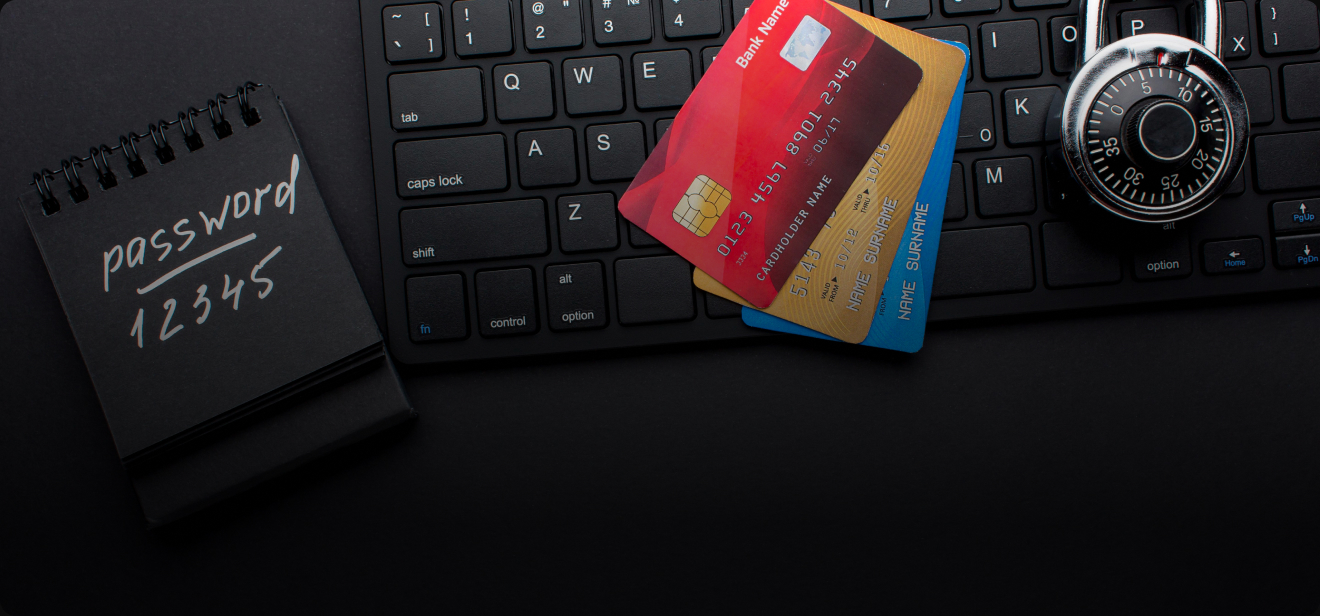
How Payment Fraud and Chargebacks Are Connected: Prevention Insights


Payment fraud and chargebacks are two of the most persistent challenges facing modern businesses, especially in the fast-paced world of digital commerce. While they may seem like separate issues at first glance, they are often closely linked since fraudulent activity frequently triggers chargebacks, creating a costly cycle for merchants. Understanding how these problems intersect is key to breaking that cycle. In this article, we’ll explore the connection between payment fraud and chargebacks and share practical insights to help businesses protect their revenue and reputation through smarter prevention strategies.
Understanding Payment Fraud
Payment fraud is a deliberate act of deception carried out to obtain money or goods through unauthorized or manipulated transactions. It often involves exploiting digital payment systems or personal account details, making it one of the most pressing threats in today’s online economy. With digital purchases now the norm, fraudsters are constantly developing new tactics to bypass security protocols and capitalize on transaction loopholes. The key forms of payment fraud include:
- Card-not-present (CNP) fraud. This type of fraud happens when transactions are made without the physical card (usually online or over the phone) using stolen credit or debit card information. Since there's no way to visually verify the cardholder's identity, CNP fraud is harder to detect and a major driver of digital payment losses.
- Account takeover (ATO). In an ATO attack, cybercriminals hijack a legitimate user’s online account by stealing login credentials through phishing emails, malware, or data leaks. Once inside, they can drain funds, change passwords, or make unauthorized purchases that appear genuine.
- Friendly fraud. This deceptive practice occurs when a customer disputes a legitimate transaction, often falsely claiming it was unauthorized or that the product never arrived. While it may seem harmless on the surface, friendly fraud can be just as damaging to merchants as external threats, resulting in revenue loss and chargeback penalties.
- Synthetic identity fraud. Among the fastest-growing types of financial crime, synthetic identity fraud involves creating a fake identity by blending real data (like a valid Social Security number) with fabricated details. These synthetic profiles are then used to apply for credit or open fraudulent accounts, often avoiding detection for extended periods.
The scale of payment fraud is staggering and continues to escalate each year. In fact, 63% of respondents of the 2025 AFP Payments Fraud and Control Survey claim that their organizations faced fraud in 2024. With the development of AI technologies, the fraud schemes have become more elaborate and more challenging to prevent.

What Are Chargebacks and Why Do They Occur?
A chargeback is the formal reversal of a payment made with a credit or debit card, initiated by the cardholder through their bank or card issuer. Unlike a traditional refund, which is issued directly by the merchant, a chargeback bypasses the seller entirely and involves the bank stepping in to forcibly withdraw funds from the merchant’s account and return them to the customer. Among the most common reasons chargebacks occur are the following:
- Unauthorized transactions. If a customer notices a charge on their account that they don’t recognize (whether due to actual fraud or simple forgetfulness), they may file a chargeback to dispute it.
- Product or service issues. Customers may initiate a chargeback if they feel the item was defective, not as described, or never arrived. In service-based industries, dissatisfaction with delivery or quality can also lead to disputes.
- Duplicate charges or technical errors. Sometimes a chargeback results from accidental overbilling, such as being charged twice for the same transaction or experiencing checkout glitches.
- Subscription confusion or recurring payments. Unexpected recurring charges, unclear cancellation policies, or forgotten subscriptions are common triggers for chargebacks, especially in digital services.
- Friendly fraud. This happens when a customer knowingly makes a purchase but later falsely claims it was unauthorized or unsatisfactory to get their money back, effectively abusing the chargeback system.
Chargebacks are meant to offer consumer security, but when misused or triggered by preventable issues, they can seriously damage a business’s financial health and reputation. For this reason, preventing chargeback by means of systems like MidArmor is so important.
The Link Between Fraud and Chargebacks
Fraud and chargebacks are closely connected, often operating as a chain reaction within the payment process. While chargebacks were originally introduced to protect consumers from unauthorized transactions, fraud (both external and internal) has become one of the leading causes behind them.
When a criminal uses stolen card information to make a purchase, it’s only a matter of time before the legitimate cardholder spots the charge and reports it. The bank then initiates a chargeback, automatically pulling the funds from the merchant’s account. In this scenario, the business loses not only the sale but also merchandise, processing fees, and time.
But not all fraud is committed by outsiders. A rising form of abuse is friendly fraud, where a customer knowingly disputes a legitimate transaction. They might claim the item was never delivered, the service was unsatisfactory, or they didn’t authorize the charge—even when they did. This tactic results in a chargeback that’s far more difficult for merchants to challenge, as the transaction may look perfectly valid on paper.
To illustrate the relationship, here’s a quick comparison of common fraud types that often trigger chargebacks:
| Fraud Type | How It Leads to a Chargeback |
|---|---|
| Card-not-present (CNP) | Stolen card data is used online; the cardholder disputes it |
| Account takeover | Fraudster makes purchases; victim files a chargeback |
| Friendly fraud | Buyer falsely disputes a legitimate transaction |
Excessive chargebacks linked to fraud can damage a business in several ways, such as draining revenue, increasing processing costs, and risking account termination by payment providers.
Prevention Insights: Reducing Fraud to Lower Chargebacks
Minimizing fraud is essential for lowering chargebacks and protecting both revenue and reputation. Businesses can implement a layered strategy that combines technology, process improvements, and customer transparency. Key approaches include:
- Intelligent transaction monitoring. Incorporate solutions like MidArmor to monitor transactions in real time and spot unusual payment behavior before it leads to a dispute.
- Robust customer verification. Implement multi-factor authentication, behavioral tracking, or biometric checks to confirm genuine users.
- Enhanced payment security. Adopt solutions like 3D Secure 2.0 and tokenization to shield sensitive payment data from interception.
- Transparent refund and return practices. Clearly communicate policies and ensure staff are trained to handle disputes, reducing misunderstandings and false claims.
By proactively combining these tactics, businesses can disrupt the cycle of fraud and chargebacks, creating a safer, more reliable payment environment while maintaining customer trust.
Conclusion
Effectively addressing the link between payment fraud and chargebacks requires more than surface-level solutions. These issues are often symptoms of deeper vulnerabilities within the transaction process. To disrupt the cycle, businesses must take a comprehensive approach — combining intelligent fraud detection systems like Verifi or Ethoca, clear operational policies, and consistent customer engagement. The goal isn’t just to stop losses but to create a resilient framework that supports trust, minimizes friction, and fosters long-term stability in every transaction.
Contact Us
If you have any questions, comments, or concerns, feel free to contact us anytime.
We are always happy to answer all your questions.